
Hãy nhập câu hỏi của bạn vào đây, nếu là tài khoản VIP, bạn sẽ được ưu tiên trả lời.

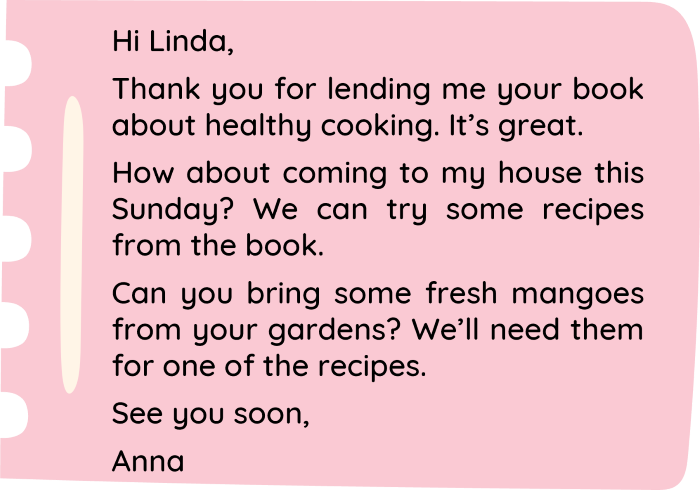

Dear Anna,
I'm glad that you like the cooking book. It has many interesting recipes in there, you should try one. By the way, Sunday sounds great, I'll come over at 4 p.m.
See you soon,
Linda
Hi Anna,
I'm glad that you're finding my book on healthy cooking helpful.
I am delighted to join you at your home this Sunday to find out some recipes from the book with you.
Unfortunately, my mango trees has not produced any mangoes at the time, but by the way I will buy some fresh mangoes from the market on the way to your place for one of the dishes.
Looking forward to seeing you soon.
Warm regards.
Linda.

a) countable nouns: document, gadget
(danh từ đếm được: tài liệu, tiện ích)
b) uncountable nouns: habit, health, information, money, music, software, website, homework
(danh từ không đếm được: thói quen, sức khỏe, thông tin, tiền bạc, âm nhạc, phần mềm, trang web, bài tập về nhà)

It's possible that the green color on the cover represents nature or the environment, which is a central theme of the book. I can also see a river on the left of the book. I guess this book is about protecting the environment
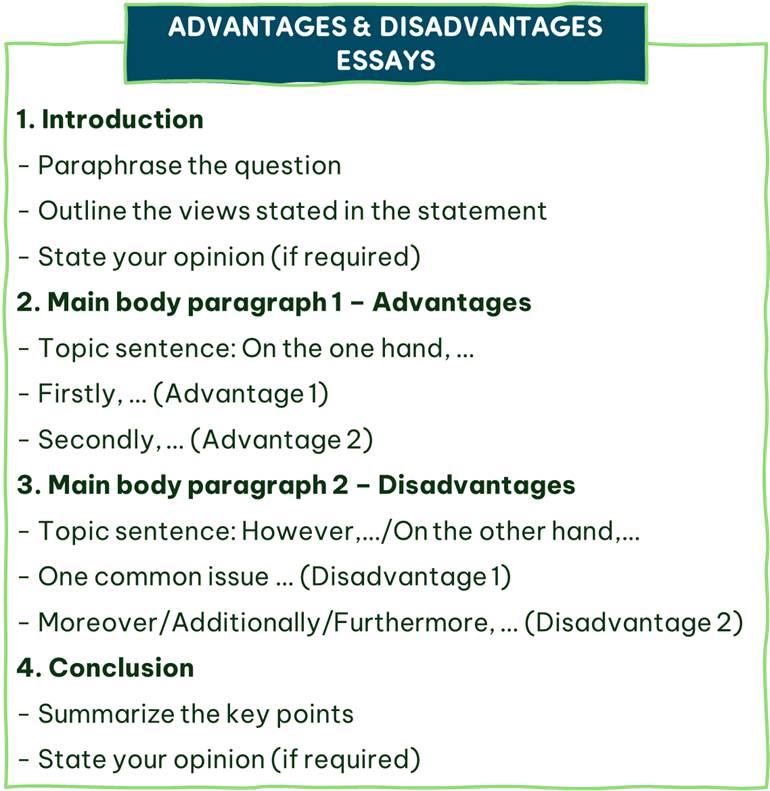
Living in a smart city brings many benefits and disadvantages. In this article, I will present some pros and cons of living in a smart city.
The first advantage of living in a smart city is convenience. Information and communications technology is integrated into urban systems, helping to provide public services more effectively. For example, through mobile applications, people can easily search for information about transportation, destinations, and entertainment activities. Furthermore, the smart traffic system helps reduce congestion and save travel time.
Another advantage of smart cities is energy saving and environmental protection. Advanced technologies are applied to manage and use resources effectively. For example, automatic lighting and temperature regulation in buildings help save energy. In addition, the use of smart public transport and self-driving cars helps reduce polluting emissions.
However, living in a smart city also has disadvantages. One of them is the issue of information security. With the widespread use of information technology, the risk of personal information insecurity and privacy violations increases. This requires strong security measures to ensure the safety of people's personal data.
Another drawback of smart cities is their dependence on technology. If technology systems fail or are attacked, public services could be disrupted. This poses challenges for maintaining stability and ensuring security of smart cities.
In short, living in a smart city brings many benefits such as convenience and energy savings. However, it is also necessary to pay attention to information security issues and dependence on technology. To make the most of the advantages and minimize the disadvantages, smart investment and management from city managers is needed.
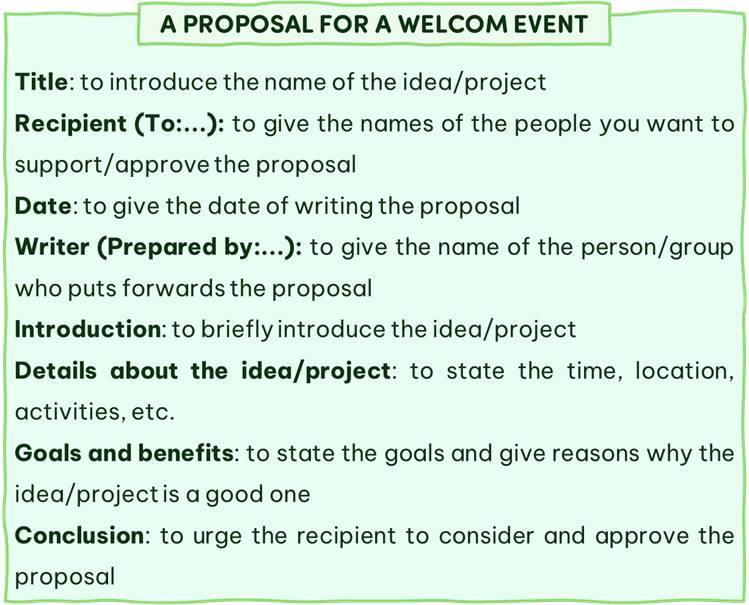
Title: Proposal for a welcome Event for New Students
To: The School Board and Teachers
Date: September 20,2025
Prepared by: Class 11B
Introduction:
This proposal aims to organize a welcome event to greet new members joining our school community
Details about the idea/project:
The event will take place in the school playgroupd on October 5,2025. It will include ice-breaking games, group activities, and short performances by students
Goals and benefits:
The event helps new members feel more comfortable, encourages teamwork, and creates a friendly school environment
Conclusion:
We kindly ask the school leaders to consider and approve this proposal so the event can be successfully organized
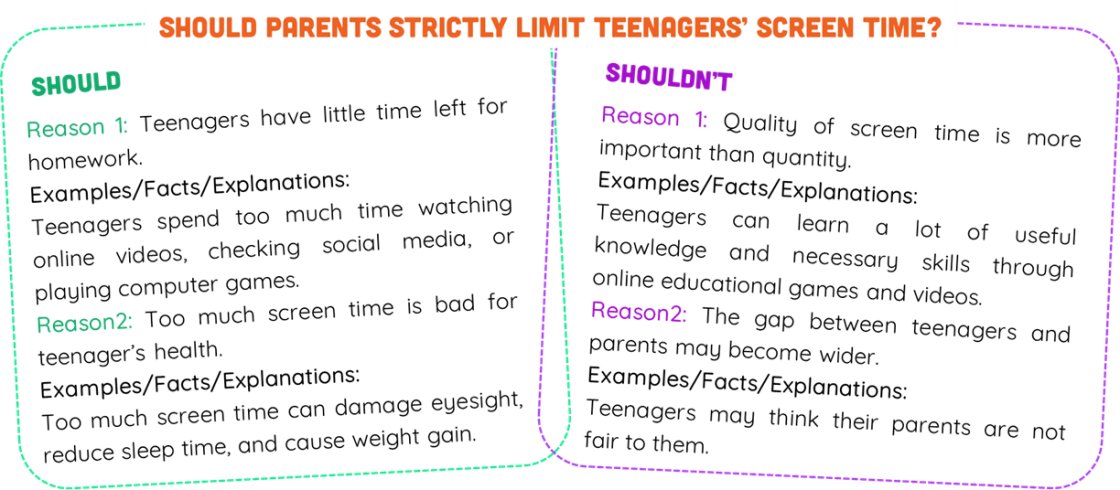
In today's digital age, screens have become an integral part of our daily lives. However, excessive screen time can have some negative impacts on our health, particularly for teenagers. In my opinion, it is important to limit teenagers' screen time. Firstly, prolonged exposure to screens has been linked to a variety of health problems such as obesity, poor eyesight, and insomnia. Spending excessive amounts of time in front of screens can also cause headaches, neck and back pain, and postural problems. Limiting teenagers' screen time can help ensure that they get enough physical activity, fresh air, and quality sleep that their growing bodies need. Secondly, excessive screen time can negatively impact teenagers' mental health. It can lead to feelings of isolation, anxiety, depression, and even addiction. Social media platforms, for instance, can create unrealistic expectations for youth, leaving many feeling inferior and depressed. To combat this, teenagers should learn to moderate their Internet and screen usage, and pursue more meaningful and fulfilling activities. Thirdly, screen time can affect teenagers' cognitive development. The brain of a teenager is still developing, and research shows that excessive screen time can impede brain development that affects cognitive skills such as attention span, memory, and problem solving. In contrast, spending more time reading, interacting face-to-face with peers, and engaging in outdoor activities can help teenagers build positive cognitive skills. In conclusion, while screens are useful tools, they should be used in moderation, especially for teenagers. Limiting their screen time can have positive effects on their physical, mental, and emotional well-being. Parents and guardians should encourage teenagers to find other activities that they enjoy besides screens such as sports, arts, traveling, and socializing with peers. By doing so, teenagers can strike a healthy balance between screen time and other activities, leading to a healthier and happier life.
In today's digital age, screens have become an integral part of our daily lives. However, excessive screen time can have some negative impacts on our health, particularly for teenagers. In my opinion, it is important to limit teenagers' screen time. Firstly, prolonged exposure to screens has been linked to a variety of health problems such as obesity, poor eyesight, and insomnia. Spending excessive amounts of time in front of screens can also cause headaches, neck and back pain, and postural problems. Limiting teenagers' screen time can help ensure that they get enough physical activity, fresh air, and quality sleep that their growing bodies need. Secondly, excessive screen time can negatively impact teenagers' mental health. It can lead to feelings of isolation, anxiety, depression, and even addiction. Social media platforms, for instance, can create unrealistic expectations for youth, leaving many feeling inferior and depressed. To combat this, teenagers should learn to moderate their Internet and screen usage, and pursue more meaningful and fulfilling activities. Thirdly, screen time can affect teenagers' cognitive development. The brain of a teenager is still developing, and research shows that excessive screen time can impede brain development that affects cognitive skills such as attention span, memory, and problem solving. In contrast, spending more time reading, interacting face-to-face with peers, and engaging in outdoor activities can help teenagers build positive cognitive skills. In conclusion, while screens are useful tools, they should be used in moderation, especially for teenagers. Limiting their screen time can have positive effects on their physical, mental, and emotional well-being. Parents and guardians should encourage teenagers to find other activities that they enjoy besides screens such as sports, arts, traveling, and socializing with peers. By doing so, teenagers can strike a healthy balance between screen time and other activities, leading to a healthier and happier life.

A. mansion (khu nhà lớn)
B. thatched cottage (nhà tranh lợp mái)
C. semi-detached house (nhà liền kề)
D. flat (căn hộ)
A: What type of home do you live in?
(Bạn sống trong loại nhà nào?)
B: I live in a detached house in district 10.
(Tôi sống trong một căn nhà biệt lập ở quận 10.)

In my opinion the best thing about spending a year with a family abroad is that all of the members have the opportunity to learn and speak a new language and visit different places in another country. Moreover, the young generation can learn in a new educational environment which brings more job opportunities for the future. In contrast, the worst thing about spending a year with a family abroad is missing the place where we were born and grown up. We will find it is strange to eat different food as well as experience new cultures that we aren't used to.
Tạm dịch:
Theo tôi, điều tuyệt vời nhất khi dành một năm cùng gia đình ở nước ngoài là tất cả các thành viên đều có cơ hội học và nói một ngôn ngữ mới cũng như tham quan những địa điểm khác nhau ở một quốc gia khác. Hơn nữa, thế hệ trẻ được học tập trong một môi trường giáo dục mới, mang lại nhiều cơ hội việc làm cho tương lai. Ngược lại, điều tồi tệ nhất khi dành một năm với gia đình ở nước ngoài là nhớ nơi chúng ta sinh ra và lớn lên. Chúng ta sẽ thấy lạ lẫm khi ăn những món ăn khác nhau cũng như trải nghiệm những nền văn hóa mới mà chúng ta chưa quen.
Positive peer pressure is when your friends encourage you to do something that benefits you or others, or when you inspire each other to achieve common goals. Some examples of positive peer pressure are:
- Encouraging your friend to exercise regularly and join you in a fitness class.
- Supporting your friend who wants to quit smoking or drinking and avoiding situations where they might be tempted.
- Volunteering with your friends for a local charity or community project.
- Studying together and helping each other to understand difficult concepts or prepare for exams.
- Standing up to bullying or discrimination together and promoting a culture of respect and inclusion.
- Expressing your creativity and sharing your talents with each other, such as writing, singing, or drawing.
Positive peer pressure can build trust, self-esteem, and social skills, and foster a sense of belonging and purpose. It can also contribute to a healthier and more positive school or community culture.
1. Peer pressure not to obey rules
2. Peer pressure to be fashionable
3. Peer pressure to look slim and fit
4. Peer pressure to own the latest device
5. Peer pressure to be good at sports
6. Peer pressure to get good grades at school